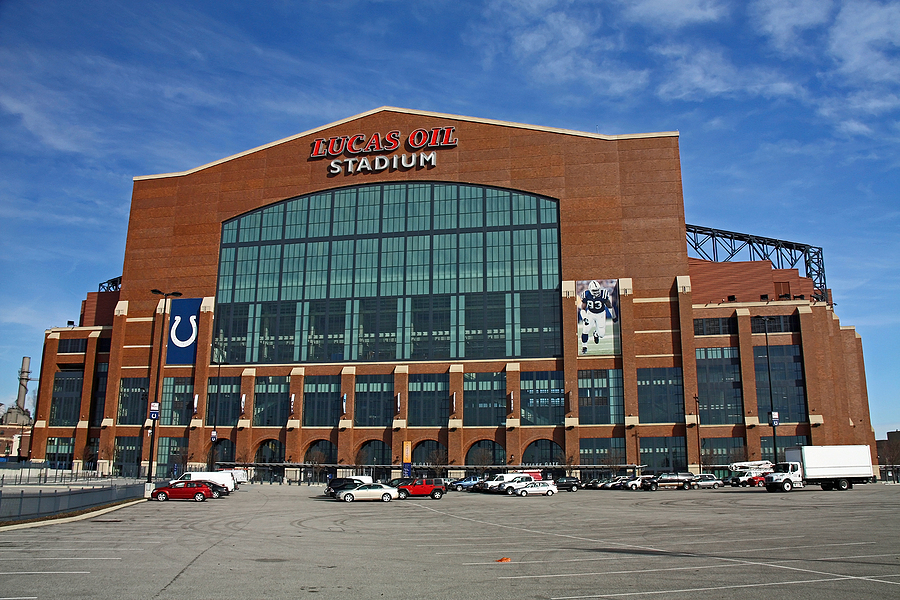
Going to an Indianapolis Colts game can easily become a full day in downtown Indianapolis. Lucas Oil Stadium sits within walking distance of restaurants, bars, tailgating areas, hotels, and several downtown attractions, so there is no reason to arrive just before kickoff and leave immediately after the final whistle.
The key is knowing where to go, when to arrive, and how much time to leave before entering the stadium.
Whether you’re visiting Indianapolis for the first time or looking for a new Colts game-day routine, here are some practical ways to spend the hours before and after a game at Lucas Oil Stadium.
Start With a Simple Colts Game-Day Plan
For most fans, arriving downtown three or more hours before kickoff provides enough time to park, eat, explore the stadium area, and get through security without feeling rushed.
A practical schedule might look like this:
- 3+ hours before kickoff: Park, eat, or visit Touchdown Town.
- 2 hours before kickoff: Stadium gates typically open, giving you time to find your seats, visit the Colts Pro Shop, or get food inside.
- 60–90 minutes before kickoff: Start heading toward the stadium if you’re still at a restaurant or bar.
- After the game: Decide whether you want to stay in the stadium district or move farther into downtown to escape some of the immediate post-game congestion.
The Colts’ official game-day information says stadium gates typically open two hours before games. Lucas Oil Stadium also uses a clear-bag policy, so checking current stadium rules before leaving home can save you an unpleasant walk back to the car (source: Visit Indy).
Visit Touchdown Town Before Kickoff
If you want the full Colts pregame atmosphere without organizing your own tailgate, American Family Insurance Touchdown Town is one of the easiest options.
It is held on South Street at Lucas Oil Stadium and opens three hours before kickoff. Current Colts information lists live entertainment, Colts Cheer and Drumline appearances, food trucks, a pregame radio show, activities for kids, and drink specials (source: Colts).
This is especially useful for out-of-town fans because you don’t need a parking lot setup, grill, or tailgating equipment. You can park downtown, walk over, and immediately be part of the game-day crowd.
Families traveling with children may also prefer Touchdown Town over spending the entire pregame period inside a sports bar.
Grab Food and Drinks Near Lucas Oil Stadium
If you’d rather sit down for a meal before the game, there are several choices within the downtown stadium district.
For a Meal With a View of the Stadium
Tavern On South sits on West South Street close to Lucas Oil Stadium. Its location makes it particularly convenient for fans who want a sit-down meal without traveling far before kickoff.
Because restaurants closest to the stadium can fill quickly on Colts Sundays, build extra time into your plans rather than expecting to arrive 60 minutes before kickoff, eat, and still comfortably make your seat.
For an Indianapolis Institution
Slippery Noodle Inn on South Meridian Street combines food, drinks, live blues, and a piece of Indianapolis history. It can be a particularly good post-game option if you want something that feels more distinctly Indianapolis than a typical national sports-bar chain.
If Watching More Football Matters
Downtown also has several sports-bar options with large numbers of televisions. If your goal is watching the early NFL games before an afternoon or evening Colts kickoff, choose your restaurant based on television setup as much as the menu.
For especially busy games, consider calling ahead or checking whether reservations are available rather than assuming you’ll be seated immediately.
Take a Quick Colts Photo Before Going Inside
Even if you aren’t looking for a full attraction, one easy stop is the Peyton Manning statue outside Lucas Oil Stadium. It is located on the stadium’s north plaza and takes only a few minutes to visit, making it an easy photo stop while walking around the stadium before entering.
From there, you can explore the plaza, check out the Colts Pro Shop, and make your way toward your gate.
What If You Arrive Several Hours Early?
If you’re making an entire day of the game, don’t feel like you have to spend four straight hours in the immediate stadium district. Downtown Indianapolis is compact enough that you can have lunch elsewhere downtown and then walk or rideshare toward Lucas Oil Stadium closer to kickoff.
Depending on your group, you might:
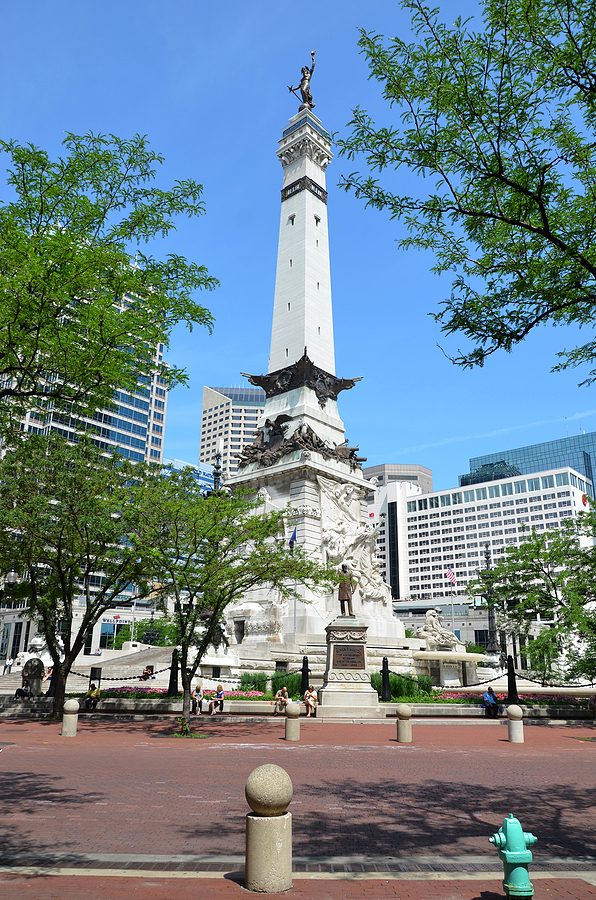
- Walk around Monument Circle.
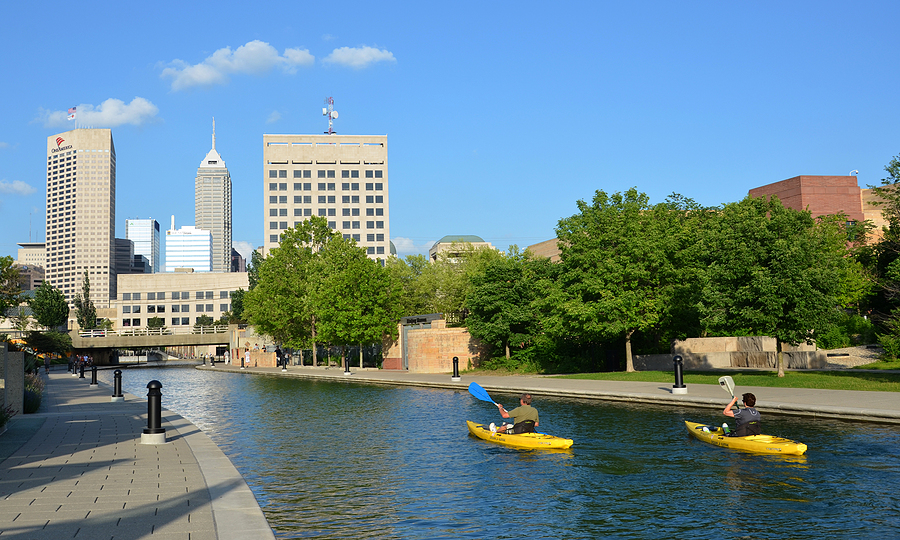
- Explore the Canal Walk.
- Visit a downtown museum or attraction.
- Have brunch before an afternoon game.
- Watch the early NFL games at a downtown bar.
- Shop for Colts gear before heading toward the stadium.
Just avoid packing your schedule too tightly. Traffic, restaurant waits, security lines, and crowded sidewalks can all take longer on Colts game days.
What to Do Immediately After a Colts Game
The area around Lucas Oil Stadium becomes extremely busy once tens of thousands of people leave at roughly the same time. If you’re not in a hurry to get home, staying downtown for dinner or drinks can be more enjoyable than immediately joining traffic leaving the stadium.
Stay Close to the Stadium
Restaurants and bars in the stadium and South Meridian Street areas are convenient, but expect crowds immediately following the game. If your first choice has a long wait, walking several blocks away from Lucas Oil Stadium can sometimes provide more options.
Head Somewhere Away From the Stadium Crowd
Another strategy is to leave the immediate stadium district entirely. English Ivy’s is located at 944 N. Alabama Street in the Historic Saint Joseph neighborhood of downtown Indianapolis. We aren’t directly beside Lucas Oil Stadium, so it makes more sense as a short drive or rideshare before or after the game rather than a last-minute walk immediately before kickoff.
That little bit of separation can actually be an advantage after a Colts game.
English Ivy’s serves brunch, lunch, dinner, drinks, and a late-night menu until 2 a.m. Walk-ins are welcome, and we have both lot and street parking available.
Why English Ivy’s Works Well After a Colts Game
If you’re looking for somewhere to continue the day rather than immediately driving home, English Ivy’s provides a different atmosphere from the high-volume sports bars surrounding the stadium. We offer burgers, wings, sandwiches, entrees, cocktails, daily specials, and weekend brunch. As a proud LGBTQ-owned restaurant, we are known for being a welcoming and trusted local neighborhood gathering place in downtown Indianapolis.
That makes it especially useful for:
- Fans who want food after the game rather than another stadium-area tailgate.
- Groups looking for drinks and a casual sit-down meal.
- Sunday visitors interested in brunch before a later kickoff.
- Fans who want an LGBTQ-friendly Indianapolis restaurant and bar.
- Visitors staying downtown who want to continue their night after leaving the stadium.
Before heading over, check out our current menu and hours because specials and food availability can change.
Don’t Forget the Practical Details
A little preparation can make a major difference on Colts game day.
Reserve Parking Before You Arrive
Downtown has numerous garages and surface lots, but prices and availability can change considerably during major events. If you know where you want to spend time before the game, choose parking based on your entire itinerary rather than simply finding the closest possible space to Lucas Oil Stadium.
Sometimes parking several blocks away makes leaving downtown considerably easier afterward.
Check the Stadium Bag Policy
Lucas Oil Stadium enforces a clear-bag policy. Checking the current rules before leaving for downtown can prevent problems at the entrance (source: Visit Indy).
Lucas Oil Stadium Is Cashless
The stadium operates cashlessly for concessions, bars, retail, and the Colts Pro Shop, so bring a card or compatible mobile payment method rather than relying solely on cash (source: Colts).
Leave More Time Than You Think You Need
A restaurant that normally takes 45 minutes may take considerably longer on game day. Rather than watching the clock through your entire meal, plan to finish eating at least an hour before you want to be inside the stadium.
Frequently Asked Questions
How early should I arrive for a Colts game?
Arriving downtown about three hours before kickoff is a good starting point if you want to eat, tailgate, or explore. Touchdown Town opens three hours before kickoff, while stadium gates typically open two hours before the game (source: Colts).
What is there to do outside Lucas Oil Stadium before a Colts game?
Touchdown Town is the primary official pregame attraction. You can also visit the Peyton Manning statue, eat at nearby restaurants, tailgate, shop for Colts merchandise, or explore downtown before walking to the stadium.
Are there restaurants within walking distance of Lucas Oil Stadium?
Yes. Several restaurants and bars are concentrated along South Street, Meridian Street, Georgia Street, and the surrounding downtown blocks. Places closest to the stadium can become extremely busy before and after Colts games, so allow extra time.
Where can I go after a Colts game?
You can stay near Lucas Oil Stadium for bars and restaurants or head farther into downtown Indianapolis once the game ends. If you’d prefer to get away from the immediate stadium crowds, English Ivy’s in the Historic Saint Joseph neighborhood offers food, drinks, and late-night hours.
Is downtown Indianapolis walkable from Lucas Oil Stadium?
Much of the central downtown entertainment and restaurant district is walkable from the stadium. For destinations farther north, including English Ivy’s, a short rideshare or drive may be more practical—particularly in cold weather or after a long game.
Make More of Your Colts Game Day in Indianapolis
A Colts game doesn’t have to begin when you scan your ticket or end when you leave your seat.
Arrive early enough to experience Touchdown Town, have a relaxed meal, and enjoy downtown Indianapolis without watching the clock. After the game, staying downtown for dinner or drinks can extend the day while giving the heaviest stadium traffic time to clear.
And if you’d rather trade the immediate stadium crowds for a neighborhood pub atmosphere, make English Ivy’s part of your pre- or post-game plans.
Hungry before or after the game? English Ivy’s serves brunch, lunch, dinner, drinks, and late-night food in downtown Indianapolis.
Related Posts:
Indy 500? Try Indy 24/7 – Your Guide to Downtown Indianapolis
The Best Places to Watch the Game in Downtown Indianapolis