
Enjoying a beautifully crafted beverage can feel incredibly relaxing, but knowing the history behind your glass makes the experience even richer. National Cocktail Day, established by holidaymaker Jace Shoemaker-Galloway in 2013 and celebrated annually on March 24, serves as a joyful reminder to appreciate the artistry of mixology.
A well-made drink is a remarkable blend of chemistry, history, and culture. Understanding the origins of these beloved beverages connects us to centuries of human creativity. It transforms a simple evening out into an opportunity to explore global traditions.
You will walk away from this guide with a deeper appreciation for the craft, plus plenty of trivia to share with friends during your next night out. From the hazy origins of mixology to the fascinating histories of individual spirits, there is always something new to learn about your favorite beverage.
What is the Origin of the Word Cocktail?
The word “cocktail” originally referred to a mixture of spirits, sugar, water, and bitters, though its exact etymology remains a subject of lively historical debate. The earliest recorded definition appeared in an 1806 issue of The Balance and Columbian Repository, an American newspaper that clarified the term for its readers.
Several colorful legends surround the creation of the word. Some historians suggest it stems from a French apothecary in New Orleans named Antoine Amédée Peychaud, who supposedly served mixed drinks in a double-handled eggcup known as a coquetier. English speakers allegedly mispronounced this word as “cocktail.”
Others point to a historical equestrian practice of docking the tails of non-thoroughbred horses. These mixed-breed horses were called “cock-tails,” a term that playfully mirrored the “mixed” nature of the new alcoholic beverage. While we may never know the definitive truth, the mystery only adds to the charm of the drink.
Which Cocktail is the Most Popular in the World?
The Margarita and the Old Fashioned consistently battle for the title of the world’s most popular cocktail, depending heavily on the venue and the region. Global consumer surveys frequently place the Margarita at the absolute top of the list. This beloved Mexican export is celebrated for its refreshing, highly approachable balance of sweet, sour, and salty flavors.
Conversely, the Old Fashioned dominates high-end craft bars and mixology competitions. This whiskey-forward classic honors the original 1806 definition of a cocktail, allowing the base spirit to shine brightly with just a touch of sugar and bitters.
The Evolution of the Classic Martini
The Martini has transformed dramatically over the decades, adapting to shifting consumer tastes. Most historians believe it evolved from the Martinez, a sweeter, mid-19th-century concoction that utilized sweet vermouth and Old Tom gin. Over time, the recipe shifted away from sweetness, moving toward a drier profile heavily reliant on London Dry gin and dry vermouth.
By the mid-20th century, vodka became a highly popular substitute for gin. Today, a Martini can be highly customized to suit your exact palate, whether you prefer it bone-dry, dirty, or garnished with a simple lemon twist.
Why the Negroni is Making a Massive Comeback
The Negroni is currently enjoying remarkable global success, becoming a staple on almost every modern drink menu. Its iconic equal-parts recipe of gin, Campari, and sweet vermouth creates a robust, bitter flavor profile that strongly appeals to modern drinkers seeking complexity. As palates have shifted away from overly sugary drinks over the last decade, the Negroni offers a structured, botanical alternative that stimulates the appetite and rewards slow sipping.
What are Some Fun Facts About Common Spirits?
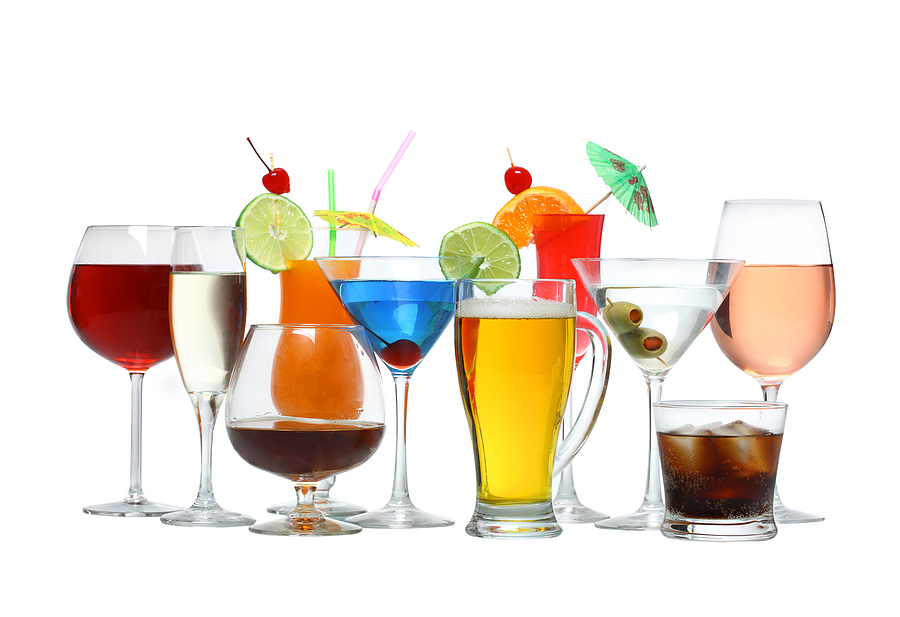
Vodka is the most poured spirit in the United States, gin was historically used for medicinal purposes, and authentic tequila must be made from blue agave in specific regions of Mexico.
Gin: Originally developed by Dutch physicians as a medicinal tonic called genever, gin later gained immense popularity in England. Its defining characteristic is the dominant, piney flavor of juniper berries.
Vodka: Derived from the Slavic word “voda,” meaning water, vodka is celebrated for its purity and neutral flavor profile. Because it lacks a strong taste of its own, it remains a foundational building block for countless mixed beverages, allowing other ingredients to take center stage.
Tequila: By Mexican law, true tequila can only be produced in the state of Jalisco and a few surrounding municipalities. The production process is incredibly labor-intensive. It takes several years—often up to a decade—for the blue agave plant to mature enough to be harvested, roasted, and distilled.
Frequently Asked Questions
What are the essential components of a traditional cocktail?
Historically, a traditional cocktail requires four distinct elements: a base spirit, a sweetener, water (which is often introduced through the melting of ice during shaking or stirring), and bitters to provide depth and complexity.
What is the golden ratio for mixology?
Many professional bartenders rely on a classic 2:1:1 ratio to build a perfectly balanced drink. This translates to two parts of the base spirit, one part sweet ingredient (like simple syrup or liqueur), and one part sour ingredient (like fresh citrus juice).
Why do some drinks need to be shaken while others are stirred?
As a general rule, if a beverage contains citrus juice, dairy, or egg whites, it should be shaken to ensure proper aeration and emulsification. If the beverage contains only spirits (like a Martini or a Manhattan), it should be stirred to maintain a silky texture and brilliant clarity.
Honoring the Craft of Mixology
National Cocktail Day provides a wonderful excuse to explore new flavor profiles and respect the deep history poured into every single glass. Whether you prefer a bitter Negroni, a refreshing Margarita, or a perfectly balanced Old Fashioned, taking a moment to savor the craftsmanship elevates the entire tasting experience.
Understanding how sunburn affects your body is crucial for maintaining healthy skin, just as understanding what goes into your glass is vital for mindful consumption. Make this celebration a memorable one by stepping out of your comfort zone and ordering something rooted in deep mixology history.
If you are located in Indianapolis and want to celebrate in a friendly, inviting atmosphere, visit English Ivy’s Eatery & Pub to order your favorite beverage. Bring your friends and take advantage of our fantastic Tuesday specials, including $2 Domestics, $3 Wells, and $3 House Wines.
Related Post: 5 Low Calorie Cocktails You Can Order at Any Bar or Restaurant