
Today marks the day. It’s been over ten years since same-sex marriage became the law of the land across the United States. For millions of couples, that day marked the difference between a love acknowledged in private and a love recognized by the nation. The anniversary gives us a chance to reflect on how far we’ve come—and to honor the people who made it possible.
This post looks back at the landmark Supreme Court decision that changed history, the stories of resilience behind it, and the work that still lies ahead. Whether you lived through that moment or are learning about it for the first time, there’s a lot worth celebrating.
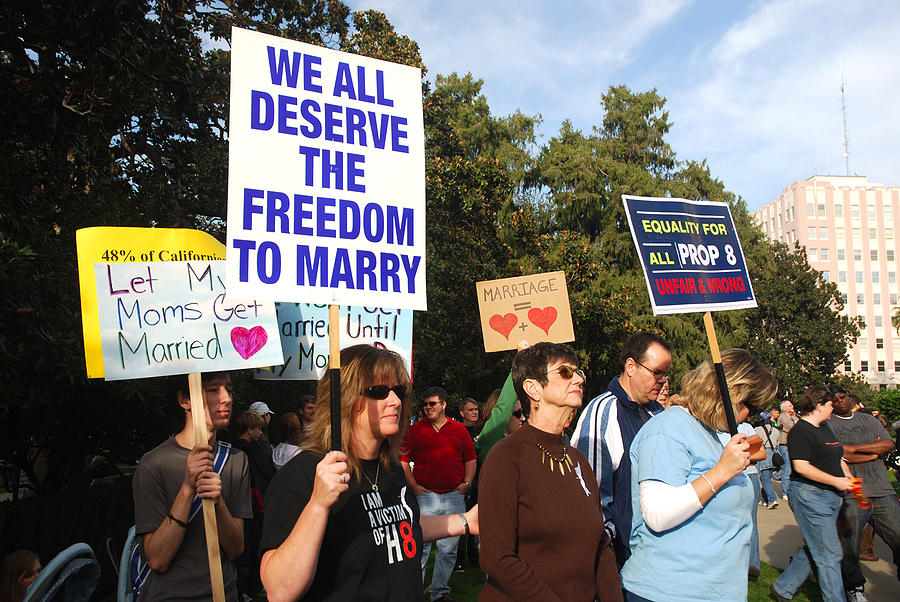
The Landmark Decision: Obergefell v. Hodges
On June 26, 2015, the Supreme Court ruled in Obergefell v. Hodges that same-sex couples have a constitutional right to marry. The 5-4 decision made marriage equality legal in all 50 states, ending a patchwork of laws that left couples’ rights depending on which state they lived in.
The case was named after Jim Obergefell, who sued the state of Ohio after it refused to list him as the surviving spouse on his husband’s death certificate. His fight became a symbol for thousands of couples seeking the same dignity and legal protection that other married couples enjoyed.
The Road to Legalization
The path to nationwide marriage equality was long and uneven. For years, individual states passed their own laws—some legalizing same-sex marriage, others banning it. Massachusetts became the first state to legalize same-sex marriage in 2004. Over the next decade, court rulings and ballot measures slowly expanded those rights across the country.
By 2015, the Supreme Court faced a clear question: could states continue to deny marriage licenses to same-sex couples? The answer reshaped American family life overnight.
Impact on LGBTQ+ Rights
The ruling did more than allow couples to marry. It granted access to over 1,000 federal benefits tied to marriage, including tax breaks, health insurance, hospital visitation rights, and inheritance protections.
Beyond the legal benefits, the decision sent a powerful message: love is love, and the law agrees. For many in the LGBTQ+ community, it was a moment of validation decades in the making.
Stories of Love and Resilience

Behind every legal milestone are real people whose lives changed in profound ways.
Personal Journeys
Many couples had waited years—sometimes decades—to marry the person they loved. Some had held commitment ceremonies that carried no legal weight. Others had traveled to states where marriage was legal, only to return home and find their union unrecognized.
When the ruling came down, courthouses across the country filled with couples ready to say “I do.” Some had been together for 30 or 40 years. For them, the wedding wasn’t a beginning—it was long-overdue recognition of a life already shared.
Community Impact
The decision rippled far beyond individual couples. Families gained legal security. Children of same-sex parents received clearer protections. Communities that had long felt invisible saw themselves reflected in the nation’s highest court.
Pride celebrations that June took on extra meaning. The ruling became a rallying point, a reminder that persistent advocacy can move even the most stubborn institutions toward justice.
The Important Meaning of Pride Month
Pride Month is not just a celebration of the progress made in LGBTQ+ rights, but also a reminder of the ongoing fight for equality. It is a time to honor and recognize the struggles and triumphs of the LGBTQ+ community throughout history.
The origins of Pride Month can be traced back to the Stonewall Uprising in 1969, when members of the LGBTQ+ community fought back against police harassment and discrimination. This event sparked a movement that would lead to major advancements in LGBTQ+ rights.
Today, Pride Month serves as a platform for raising awareness, celebrating diversity, and advocating for equal rights. It is a time for reflection on how far we have come and how much work remains
Frequently Asked Questions
What was the Obergefell v. Hodges case about?
Obergefell v. Hodges was a 2015 Supreme Court case that challenged state bans on same-sex marriage. The Court ruled that the Constitution guarantees same-sex couples the right to marry, making marriage equality legal nationwide.
When did same-sex marriage become legal in the US?
Same-sex marriage became legal across all 50 states on June 26, 2015, when the Supreme Court issued its decision in Obergefell v. Hodges. Before that, legality varied from state to state.
Are there still challenges for LGBTQ+ rights?
Yes. While marriage equality is the law, LGBTQ+ individuals still face discrimination in areas like housing, employment, and healthcare. Transgender rights remain especially contested, and advocates continue working to secure broader protections.
A Future of Inclusivity and Acceptance
The legalization of same-sex marriage was a turning point in American history—a victory built on the courage of countless individuals who refused to accept anything less than equality. Honoring this anniversary means celebrating that progress while recommitting to the work that remains.
Love has always been worth fighting for. As we mark another year of marriage equality, we can take pride in how far we’ve come and stay hopeful about the future we’re building together.
Ready to commemorate this special day? Join us at English Ivy’s Eatery & Pub in Indianapolis for friendly faces, great drink specials, and delicious meals. Raise a glass to love, equality, and the community that makes our city shine. We’ll see you there!
Related Posts:
Happy National Coming Out Day!
The Evolution of Pride: Tracing the History of LGBTQ+ Movements Around the World
Show Your Support: Exploring LGBTQ-Owned Businesses in Indianapolis